Source Lymphatic Drainage Machine for Salon, Home, Detox
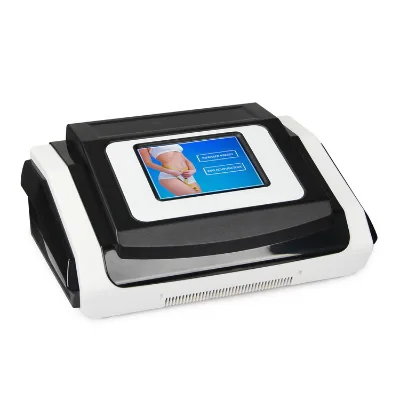
Compare 30 lymphatic drainage machines from verified Chinese suppliers. These units offer body shaping, detoxification, and air pressure therapy for salon and home use with customizable options and CE certification; compare the available evidence and request quotations based on your requirements.
Key considerations
Products List


Comprehensive Sourcing Guide
Lymphatic Drainage Machine Sourcing Guide
Procuring a lymphatic drainage machine requires a clear understanding of the device’s mechanical operation and its intended clinical or commercial environment. These systems typically utilize air pressure to stimulate circulation and support body shaping, making them suitable for both salon and home applications. Buyers must distinguish between portable and non-portable units, as this distinction significantly impacts logistics, installation requirements, and the target customer base. The decision to source a specific model should be driven by the operational needs of the end-user, whether that involves high-volume commercial use or personal wellness routines.
The market offers a variety of configurations, including table-type units with adjustable dimensions and specialized suits with varying airbag counts. Understanding the specific function of each model, such as lymphatic drainage, body detoxing, or fat reduction, is essential for matching the product to the correct market segment. Buyers should evaluate the physical attributes of the machine, such as weight and voltage compatibility, to ensure it meets the infrastructure standards of the intended location. This foundational knowledge prevents mismatches between supplier capabilities and buyer expectations, ensuring a smoother procurement process from initial inquiry to final delivery.
Product Scope and Observed Listing Signals
The current market landscape for lymphatic drainage devices shows a diverse range of models, each with distinct physical and functional characteristics. Listings indicate a price range from $1 to $3,299, reflecting variations in complexity, material quality, and included accessories. The minimum order quantity is consistently observed at one set, suggesting that suppliers are flexible and willing to accommodate small-scale buyers or single-unit trials. This low barrier to entry allows procurement teams to test market response without committing to large inventory volumes, reducing initial financial risk while evaluating product performance.
Product attributes reveal significant variation in design, with some units being portable while others are fixed, non-portable installations. Materials are primarily cloth-based for the compression suits, which come in colors like blue and purple, and contain between 20 and 44 airbags depending on the model. Specific models such as the B-8310A, 8310DS, and B-8320 demonstrate different feature sets, including body slimming, relaxation, and detoxification functions. Buyers should carefully review these specific model numbers and their associated specifications to ensure the selected device aligns with the desired therapeutic outcomes and operational constraints of their facility.
Technical Specifications to Verify
Technical verification begins with confirming the electrical compatibility of the machine with local power grids. Specifications indicate a voltage range of 110V/220V at 50-60Hz, which is critical for ensuring safe operation in different regions. Buyers must verify that the power supply unit matches the local infrastructure to prevent damage to the device or safety hazards. Additionally, the power consumption, noted as 70W for some models, should be considered in the context of energy efficiency and operational costs, especially for facilities with multiple units running simultaneously.
Physical dimensions and weight are equally important for logistical planning and space allocation. Some models weigh approximately 28kg and are packaged in standard export cartons, while others may have adjustable width and length features. The packing dimensions, such as 1214249cm for certain units, directly impact shipping costs and warehouse storage requirements. Buyers should request detailed technical drawings and weight specifications for each candidate model to accurately calculate freight charges and ensure the equipment fits within the designated installation area without requiring structural modifications.
Compliance and Safety Documentation
Regulatory compliance is a non-negotiable aspect of sourcing medical or wellness equipment, particularly when dealing with international suppliers. Most observed listings indicate that products hold CE certification, which is a mandatory conformity mark for products sold within the European Economic Area. Buyers must request valid CE certificates and verify that they are issued by a recognized notified body, ensuring that the documentation is current and covers the specific model being purchased. This step is crucial for maintaining legal compliance and avoiding customs delays or product seizures at the destination port.
Beyond CE marking, additional standards such as ROHS may be referenced, indicating compliance with restrictions on hazardous substances. Buyers should ask for a complete set of compliance documents, including test reports and user manuals, to ensure the device meets all local safety regulations. It is also important to verify the warranty terms, which are commonly listed as one year for the machine. Understanding the scope of the warranty, including what components are covered and the process for claiming repairs, provides essential protection against early-life failures and unexpected maintenance costs.
Cost Drivers and Commercial Terms
The total cost of ownership extends beyond the initial purchase price, encompassing shipping, insurance, and potential customization fees. While the observed price range is broad, the final cost is heavily influenced by the chosen model’s features, such as the number of airbags or the presence of adjustable dimensions. Buyers should request detailed quotations that break down the unit price, packaging costs, and freight charges to identify hidden expenses. Understanding these components allows for more accurate budgeting and comparison between different suppliers and product configurations.
Commercial terms also include the availability of OEM and ODM services, which can add value for brands seeking to differentiate their offerings. Customization options, such as branding on the machine or packaging, may incur additional costs but can enhance market positioning. The standard packing method, typically a color box within a standard export carton, should be confirmed to ensure the product arrives in good condition. Buyers should negotiate clear terms regarding payment methods, delivery schedules, and liability for transit damage to mitigate financial risks associated with international trade.
Supplier Qualification and Quality Control
Evaluating supplier credibility is essential to ensure consistent product quality and reliable after-sales support. Buyers should verify the supplier’s manufacturing capabilities, including their facility location in Guangzhou or Guangdong, China, and their experience in producing lymphatic drainage machines. Requesting references from previous clients or visiting the factory, if possible, can provide insights into their production processes and quality control measures. A reputable supplier will be transparent about their manufacturing standards and willing to provide evidence of their operational maturity.
Quality control should be integrated into the procurement process through pre-shipment inspections and clear acceptance criteria. Buyers should define specific quality metrics, such as the integrity of the cloth material, the functionality of the airbags, and the accuracy of the control systems. Establishing a clear protocol for handling defects or non-conforming products is crucial for maintaining business continuity. Suppliers who offer comprehensive training and technical support demonstrate a commitment to customer success, which is vital for the long-term operation of the lymphatic drainage equipment.
Long-Term Procurement Checks
Long-term success depends on the availability of spare parts and ongoing technical support. Buyers should confirm the supplier’s inventory of critical components, such as air pumps, controllers, and replacement suits, to minimize downtime in case of repairs. A robust supply chain for spare parts ensures that the equipment remains operational and continues to deliver value to end-users. Establishing a direct line of communication with the supplier’s technical team can facilitate quick troubleshooting and reduce the impact of any mechanical issues.
Regular performance reviews and feedback loops are also important for maintaining a productive supplier relationship. Buyers should monitor the equipment’s performance over time and provide feedback to the supplier regarding any recurring issues or desired improvements. This collaborative approach can lead to product enhancements and better alignment with market needs. Additionally, staying informed about regulatory changes and industry trends ensures that the procurement strategy remains compliant and competitive, protecting the investment in lymphatic drainage technology for years to come.
FAQs
What functions does the lymphatic drainage machine provide?
The device provides pressotherapy, body shaping, lymphatic drainage, and body detoxing. It also supports body slimming, fat reduction, and relaxation. These functions are achieved through air pressure systems that target specific body areas to improve circulation and reduce swelling effectively.
Can the lymphatic drainage machine be customized?
Yes, customization is available for this equipment. Buyers can request OEM and ODM services to tailor the product to specific brand requirements. This flexibility allows businesses to adapt the machine's features, appearance, or packaging to meet unique market demands or client preferences.
What certifications does the lymphatic drainage machine have?
The machine holds CE and RoHS certifications, ensuring compliance with European safety and environmental standards. These certifications verify that the product meets rigorous quality and safety requirements for electrical equipment. Buyers can rely on these credentials for regulatory compliance in international markets.
What is the warranty period for the lymphatic drainage machine?
The warranty period is one year for the machine. This coverage ensures that buyers receive support for manufacturing defects or operational issues within the first twelve months. The warranty applies to the core equipment, providing peace of mind for salon or home use investments.
How many airbags are included in the lymphatic drainage machine?
The number of airbags varies by model, with options including 20 or 44 pieces. These airbags are essential for delivering effective pressotherapy and lymphatic drainage. The specific count depends on the selected model, allowing buyers to choose the configuration that best suits their treatment needs.
Where is the lymphatic drainage machine manufactured?
The machine is manufactured in Guangzhou, China. This location is a known hub for medical and beauty equipment production. Buyers can expect consistent manufacturing standards and efficient logistics from this origin, which supports reliable supply chains for international orders and bulk purchases.